 PEC Zwolle Hub
A New Era of Sustainability at PEC Zwolle
As PEC Zwolle navigates the competitive landscape of the Eerste Divisie, the club is also taking significant strides towards sustainability. The announcement of the Zonneplan initiative has fans buzzing with excitement and curiosity about its potential impact on both the club and the community. This ambitious program aims to integrate solar energy solutions, promoting a greener future while allowing the club to reduce operational costs.
With growing concerns around climate change and environmental responsibility, PEC Zwolle is positioning itself as a leader in sustainability among football clubs, which could not only enhance its reputation but also attract a new demographic of eco-conscious supporters. This article delves into the details of the Zonneplan initiative, its implications for PEC Zwolle, and what it means for the club's future.
Understanding the Zonneplan Initiative
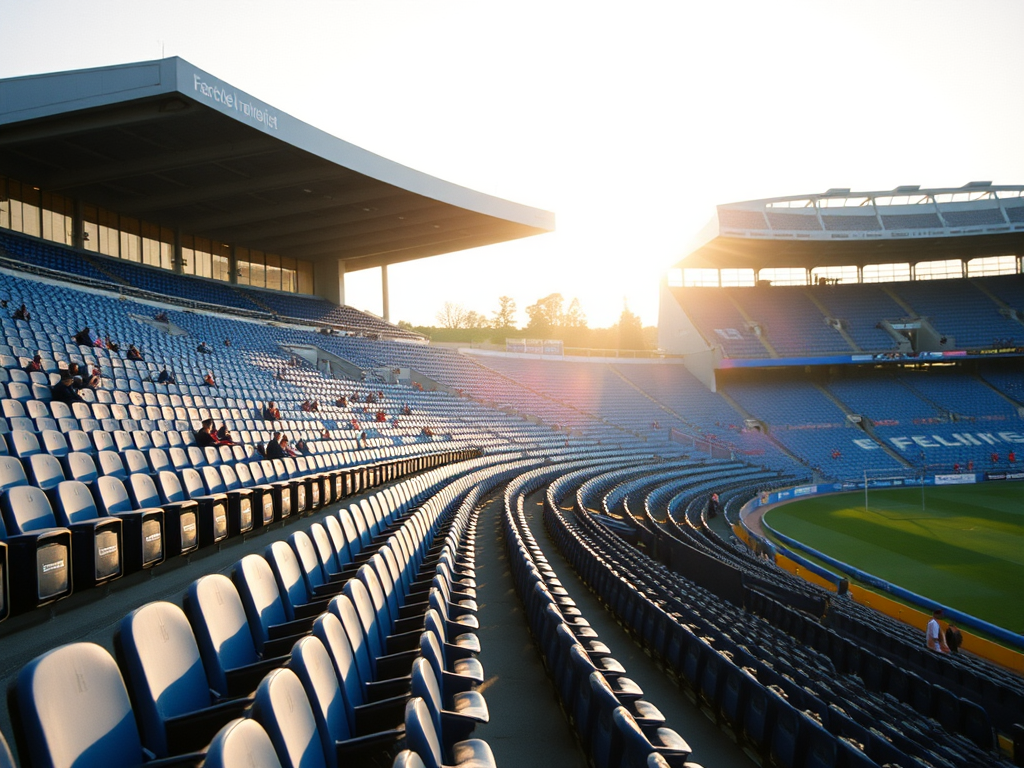
The Zonneplan initiative is a bold step by PEC Zwolle to incorporate solar energy into its operations. The club intends to install solar panels at its home ground, the Blauwen, which would significantly reduce electricity costs and carbon footprint. This project aligns with the growing trend among sports organizations to adopt sustainable practices, reflecting a commitment to environmental stewardship.
Key aspects of the Zonneplan include: - Installation of solar panels on the Blauwen stadium roof. - Partnership with local businesses to foster community involvement. - Educational programs aimed at raising awareness about sustainability among fans and youth. - Potential cost savings that can be redirected towards player development and infrastructure improvements.
The financial implications of this project are noteworthy. By harnessing solar energy, PEC Zwolle can lower its utility bills, thereby reallocating those funds to enhance the club's competitive edge on the field. This dual focus on sports and sustainability sets a precedent in the Dutch football landscape.
The Impact on PEC Zwolle's Community Engagement
A successful sustainability initiative like Zonneplan has the potential to resonate beyond the football pitch. Community engagement is critical for clubs like PEC Zwolle, and the Zonneplan can serve as a catalyst for stronger ties with local residents and fans. By promoting green practices, the club can enhance its image as a community pillar and inspire fans to adopt similar eco-friendly habits.
Moreover, the educational component of Zonneplan means that young fans will learn about the importance of sustainability at an early age. This initiative can foster a sense of responsibility and pride within the community, encouraging future generations to value environmental stewardship. The involvement of local businesses also strengthens community bonds and encourages support for PEC Zwolle from various sectors.
Financial and Competitive Considerations
Transitioning to solar energy has tangible financial benefits. The initial investment in solar panels can be offset by long-term savings on energy costs, which can be critical for a club operating under tight budgets. With the funds saved, PEC Zwolle can focus on critical areas such as player acquisitions, training facilities, and youth programs.
The football landscape is increasingly competitive, and having a sustainable financial model can give PEC Zwolle an edge over rivals. The ability to invest wisely while maintaining a commitment to sustainability can attract potential sponsors looking to align with eco-friendly initiatives. This could lead to increased revenue streams and bolster the club's marketability in a crowded football environment.
The Wider Context of Sustainability in Football
PEC Zwolle is not alone in its pursuit of sustainability. Across Europe, several football clubs are implementing green initiatives, recognizing the importance of environmental responsibility. Clubs like Manchester City and Barcelona have set benchmarks for sustainable practices, encouraging others to follow suit.
The push for sustainability in football reflects broader societal changes where fans are increasingly demanding action on climate issues. This shift presents both challenges and opportunities for clubs like PEC Zwolle, which must navigate the balance between maintaining competitive performance and embracing sustainable practices. The Zonneplan initiative positions PEC Zwolle favorably in this evolving landscape, showcasing its commitment to both football excellence and environmental responsibility.
Fan Reaction and Outlook
Initial reactions from PEC Zwolle fans to the Zonneplan initiative have been overwhelmingly positive. Many supporters appreciate the club's commitment to sustainability and its efforts to engage the community. Fans see this as an opportunity for PEC Zwolle to become a role model for other clubs in the league, reinforcing the idea that football can be a force for good beyond just the sport itself.
Social media platforms, such as Instagram, have been abuzz with discussions surrounding the initiative. Fans are expressing enthusiasm for the potential impact on the club's finances, as well as the environmental benefits. The initiative has also sparked conversations about how fans can contribute to sustainability efforts, leading to an increased sense of community and belonging among supporters.
Key fan sentiments include: - Pride in the club's commitment to sustainability. - Excitement about potential savings that could benefit player acquisitions. - Desire for more community involvement in sustainability initiatives.
What's Next
As PEC Zwolle embarks on its Zonneplan journey, the club will likely face challenges in implementation and community engagement. However, the groundwork laid by this initiative could pave the way for a brighter, more sustainable future both on and off the pitch.
In the coming months, fans can expect updates on the progress of the solar panel installations and further announcements regarding community programs linked to the Zonneplan initiative. The club's commitment to sustainability could very well set a benchmark in the Eerste Divisie, encouraging other clubs to consider similar paths. The future looks promising for PEC Zwolle, not just in terms of football but as a leader in environmental responsibility.